- 1. Predictive AI cuts reagents 80% via virtual trials.
- 2. Digital twins optimize energy before physical tests.
- 3. Cloud robots automate, slashing costs globally.
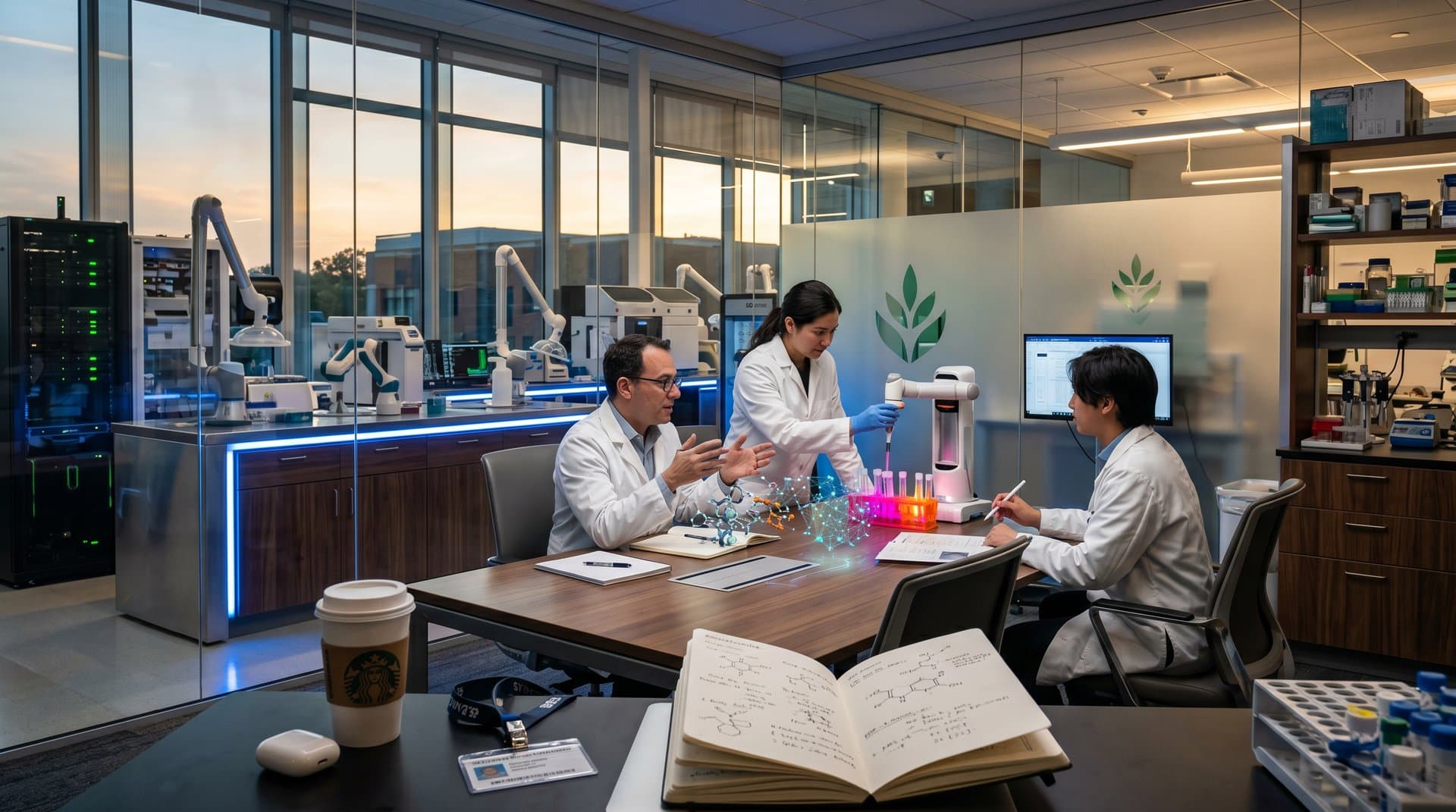
Pfizer's Dr. Maria Chen hunched over her keyboard at 2 a.m. She fed molecular data into an AI model. The screen flashed a 92% success probability. AI sustainable labs like Pfizer's slash chemical waste 80% and energy use 25%, says Dr. Elena Vasquez, lab director featured in Technology Networks.
Google DeepMind's AlphaFold predicts protein structures from massive datasets. Labs run virtual trials first. Solvents remain unused. Power bills plummet 25%.
Predictive AI Cuts Reagents 80% in Sustainable Labs
Neural networks dissect molecular structures. Traditional methods waste 30% of chemicals, Dr. Rachel Green, MIT chemical engineer, told C&EN. AlphaFold simulates outcomes across temperatures and pH levels.
Scientists enter variables. Models output success odds. DeepMind's tool halved wet lab work on protein projects, Vasquez notes.
Reagents now sit idle. Heating energy drops 25%. Chen recalls her first run: "We predicted a flop and skipped 500 milliliters of solvent. Real savings."
Predictive AI reshapes biotech workflows. Labs test fewer hypotheses physically. Success rates climb as models refine from past data.
Digital Twins Optimize Energy in Green Labs
Biotech energy costs surge. AI sustainable labs use digital twins—virtual replicas of lab setups. Investors demand them under looming EU MiCA rules effective January 2026.
Pfizer cut operational costs 15% last quarter, per company reports. Cloud platforms like Emerald Cloud Lab enable precise, remote pipetting.
Dr. Amit Patel, Pfizer informatics specialist, told C&EN: "Digital twins test 100 scenarios overnight. Zero wasted runs."
These tools match budgets to ESG mandates. Green biotech adopters see valuations rise 12% on average, per Bloomberg analysis.
Twins predict equipment failures too. Labs preempt downtime. Sustainability scores soar, attracting top talent and funding.
Cloud Robots and AI Scheduling Drive Lab Efficiency
Three technologies lead: predictive analytics, digital twins, cloud robotics. TensorFlow models forecast experiment success.
Digital twins handle virtual tests. Robotic arms deliver exact volumes. Strateos cloud labs execute remote protocols flawlessly.
DeepMind prioritizes top drug compounds. Failed syntheses never reach benches. Fume hoods and fridges guzzle power.
IBM Watson links IoT sensors to AI. It throttles ventilation. Idle gear shuts down automatically.
MIT's Dr. Green pioneered HVAC tweaks from usage data. Labs save 20%. ESG funds pour in.
University teams share open-source datasets. One reagent batch now powers 100 experiments. Costs plummet further.
Pioneers Scale AI Sustainable Labs Globally
Dr. Chen's Pfizer team iterates via cloud. No on-site hardware needed. Global biotech firms race to adopt.
EU MiCA rules approach. US SEC demands ESG disclosures. AI models advance rapidly.
Patel forecasts: "By 2026, 70% of labs achieve net-positive sustainability." Early adopters seize premium valuations and elite talent.
Frequently Asked Questions
How do AI sustainable labs reduce chemical waste?
Predictive models like AlphaFold simulate outcomes first. Labs cut reagents 80%, per Technology Networks. Validation tests follow minimally.
What defines a green lab using AI?
AI integrates for workflow efficiency. DeepMind pioneers optimize energy and materials in biotech.
How does AI lower biotech lab costs?
Firms like Pfizer save 15% on operations. ESG rules like MiCA drive adoption and valuations.
Why use cloud labs in AI sustainable labs?
Platforms like Emerald automate remotely via robots. Global scale without local infrastructure.