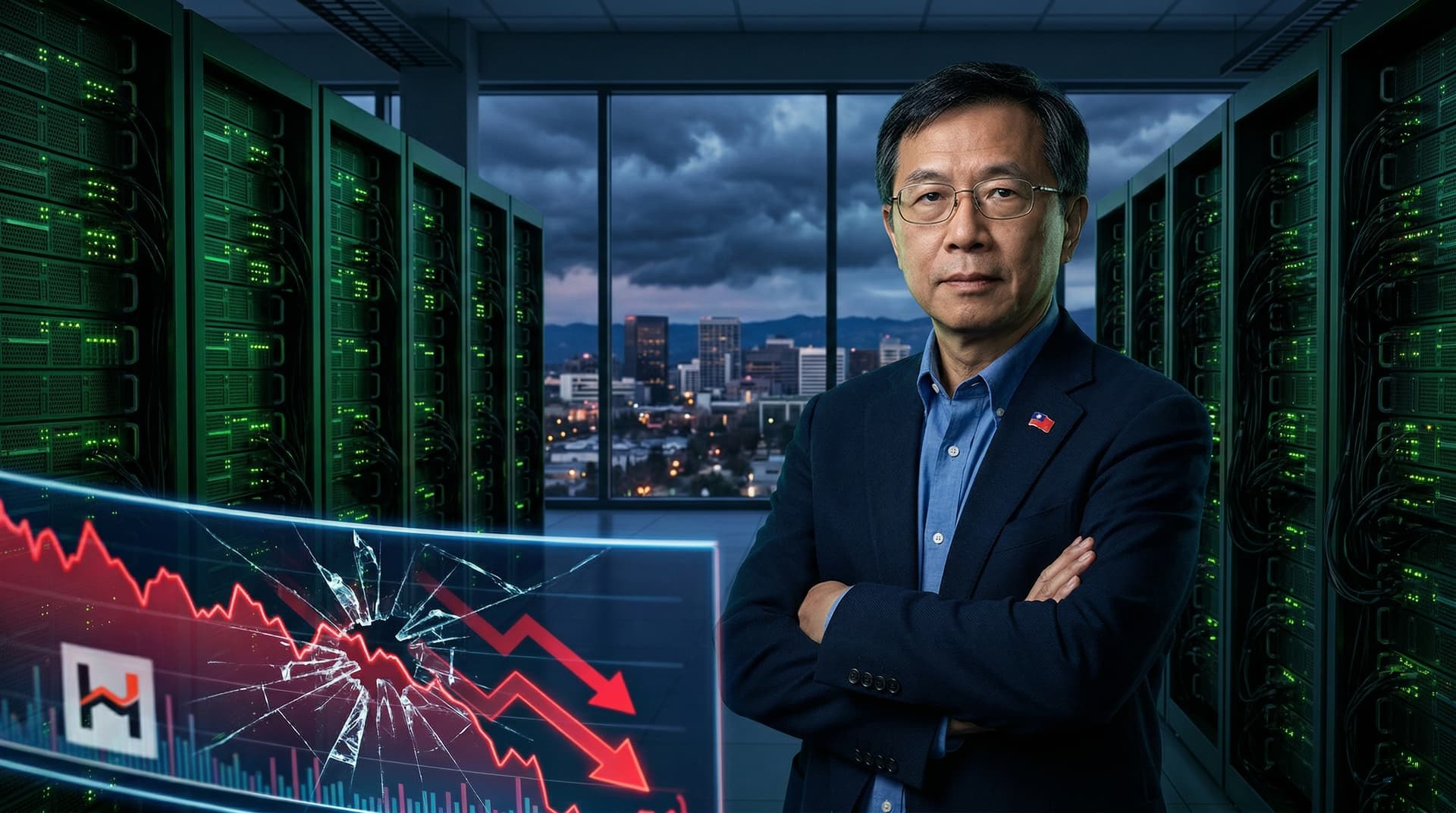
On August 27, 2024, the Nasdaq trading floor buzzed with a familiar frenzy. Shares of Super Micro Computer Inc. (SMCI), the Silicon Valley darling powering the AI revolution, had been on a tear—up over 300% year-to-date, propelled by insatiable demand for its Nvidia GPU-packed servers. But that Tuesday, the music stopped. A 69-page report from short-selling firm Hindenburg Research hit like a sledgehammer, accusing the company of "accounting manipulation," "round-tripping" sales through related parties, and close ties to now-resigned auditors. SMCI's stock cratered 28% in a single day, wiping out $11 billion in market value. At the helm of this sudden storm stood Charles Liang, the 63-year-old co-founder and CEO—a self-made billionaire whose journey from Taiwanese immigrant to AI kingpin now hangs in the balance.
Liang's story is the quintessential Silicon Valley tale, laced with grit and family bonds. Born in 1961 in Taiwan, he grew up in modest circumstances during an era of political upheaval. In the 1980s, he crossed the Pacific to chase the American Dream, enrolling at San Jose State University. With a degree in electrical engineering, he hustled through odd jobs before spotting an opportunity in the nascent server market. In 1993, from a garage in San Jose, Liang founded Super Micro Computer with his wife, Sara Liu, who serves as CFO and secretary. What started as a niche player customizing motherboards ballooned into a global force, capitalizing on the data center boom.
The real rocket fuel came with artificial intelligence. As Nvidia's Blackwell and Hopper GPUs became the gold standard for training massive language models, Super Micro positioned itself as the go-to integrator. No middleman—just direct-from-factory servers optimized for AI workloads. Revenue skyrocketed: from $509 million in fiscal 2020 to $14.9 billion in 2024. Liang, ever the engineer, shunned the spotlight. Unlike flamboyant peers like Jensen Huang, he rarely grants interviews, preferring to let products speak. Employees describe a demanding boss obsessed with quality, often sketching designs on napkins. His net worth, pegged at $4.3 billion by Forbes, funds a low-key life in San Jose, far from yacht parties or private jets.
Family is the glue. Super Micro is a dynasty: son Michael heads sales in Asia, brother Chiu-Chu Liu oversees operations, and cousins dot the executive ranks. This tight-knit structure fueled agility but now draws scrutiny. Hindenburg's report paints a darker picture, alleging the family funneled sales through questionable Taiwanese entities linked to Liang relatives—"serial fraudsters," per the firm. They claim Super Micro prematurely recognized $2.3 billion in revenue via these channels, inflating figures to meet Wall Street expectations. The kicker: auditors Ernst & Young (EY) abruptly resigned in 2024 after allegedly flagging these issues, only for Super Micro to hire them back via a related party. On August 29, the company delayed its 10-K filing, citing an internal probe by a special committee. Nasdaq issued a noncompliance notice, threatening delisting if unresolved by November.
Unpacking the Allegations
Hindenburg, notorious for sinking Nikola and Lordstown, didn't hold back. Their investigation, spanning interviews, shipping records, and court filings, alleges:
- Related-Party Shenanigans: Over 25% of audited revenue traced to entities owned by Liang's extended family in Taiwan and China, including Liansheng Precision (controlled by his cousin) and others with fraud convictions.
- Round-Tripping: Shipments to these firms, then back to Super Micro as "customer orders," booking phantom sales.
- Auditor Coziness: EY's Taiwan arm audited these very entities, creating blatant conflicts. Hindenburg quotes an ex-employee: "They were booking fake sales to hit numbers."
Super Micro fired back swiftly. In a press release, Liang called the report "false and misleading," vowing a detailed rebuttal. They disclosed the audit delay stemmed from IT glitches and staff transitions—not fraud. Shares rebounded 20% the next day on bargain-hunting, but volatility persists. Nvidia, SMCI's lifeline (over 50% of sales), reaffirmed their partnership, a crucial vote of confidence.
This saga unfolds amid AI mania. Hyped as the next internet, the sector minted fortunes but breeds excess. Super Micro's meteoric rise mirrored peers like Arm Holdings, but its family-run opacity contrasts with buttoned-up giants like Dell. Liang's defenders point to clean prior audits and explosive growth driven by real demand—Microsoft, Amazon, and Meta are gobbling servers. Critics, however, see echoes of Enron: aggressive accounting to chase valuations north of 100x earnings.
A Life in the Balance
For Liang, this is personal. At 63, with adult children in the business, retirement isn't on the radar. He's poured decades into Super Micro, navigating the 2008 crash and pandemic shortages. Taiwanese-American communities hail him as a role model, sponsoring scholarships and temples. Yet whispers of cost-cutting—union-busting allegations in 2023—hint at ruthlessness.
As investigators circle, Liang hunkers down. The SEC and DOJ may probe; DOJ already eyes EY. A clean audit could vindicate him, restoring the empire. Failure risks implosion, tarnishing a legacy. In Silicon Valley, where fortunes flip overnight, Charles Liang's tale reminds us: even AI wizards are human, bound by ambition's double edge.
In the garages of San Jose, dreamers still tinker. But for Liang, the dream now fights for survival—one server at a time.
Word count: 912