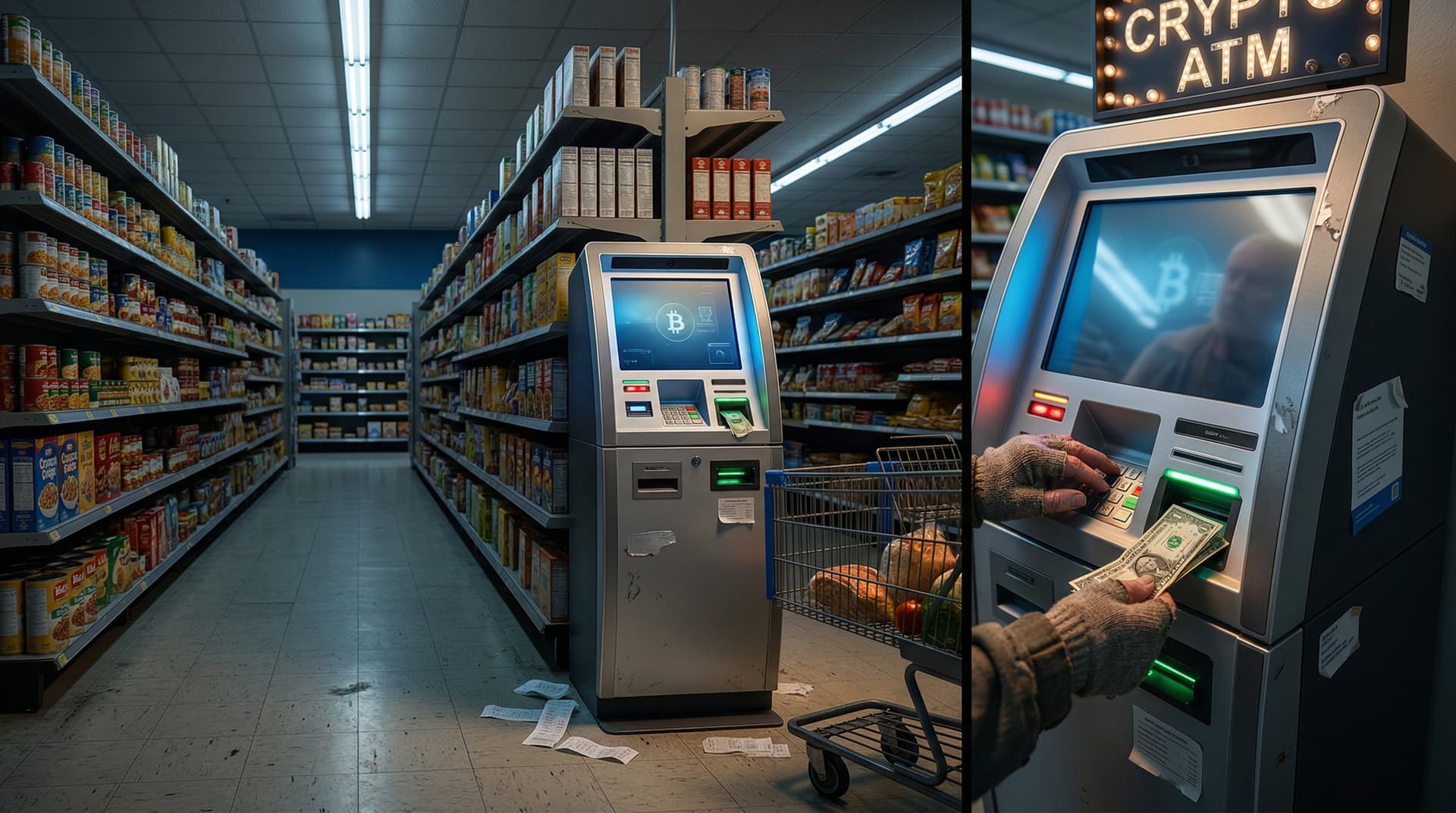
AARP demanded protections against crypto kiosk fraud on April 10, 2026. The advocacy group highlighted cases like 78-year-old Margaret Thompson's $15,000 USD loss at a Walmart Bitcoin ATM. Seniors drain life savings at these machines nationwide.
Under harsh fluorescent lights in a Florida Walmart, Margaret Thompson gripped her purse tightly. On March 15, 2026, the 78-year-old scanned a QR code at the kiosk. She fed $15,000 USD in crisp $100 bills into the slot. Scammers had tricked her over the phone, promising quick Bitcoin riches. Every dollar vanished into invisible wallets.
The Broward County Sheriff's Office documented her complaint. Thompson recovered nothing. Her daughter found her sobbing at home, staring at an empty screen. Reports of crypto kiosk fraud surge as 40,000 kiosks proliferate across U.S. stores.
Victims Confront Crypto Kiosk Fraud Head-On
In a Texas 7-Eleven, 82-year-old John Ramirez paused his shopping cart on April 1, 2026. Bitcoin traded at $70,968 USD (CoinMarketCap). A voice on his phone posed as support, directing his QR scan. He inserted $28,000 USD from his retirement fund.
Bitcoin Depot called it user error. Ramirez's son discovered the empty accounts three days later. Desperation hit: "Dad trusted the machine," he told local news. "Now he's scared to leave the house."
AARP's 2026 Fraud Watch report counts 1,200 senior cases since January. Victims average $20,000 USD losses (Federal Trade Commission). Clunky kiosk screens demand rapid wallet scans. Scammers lurk nearby as false guides, exploiting confusion and isolation.
Thompson now shares her story at senior centers. "I thought it was safe, like an ATM," she says. "The screen glowed, promising profit. It stole my security."
Market Volatility Fuels Seniors' Desperate Hopes
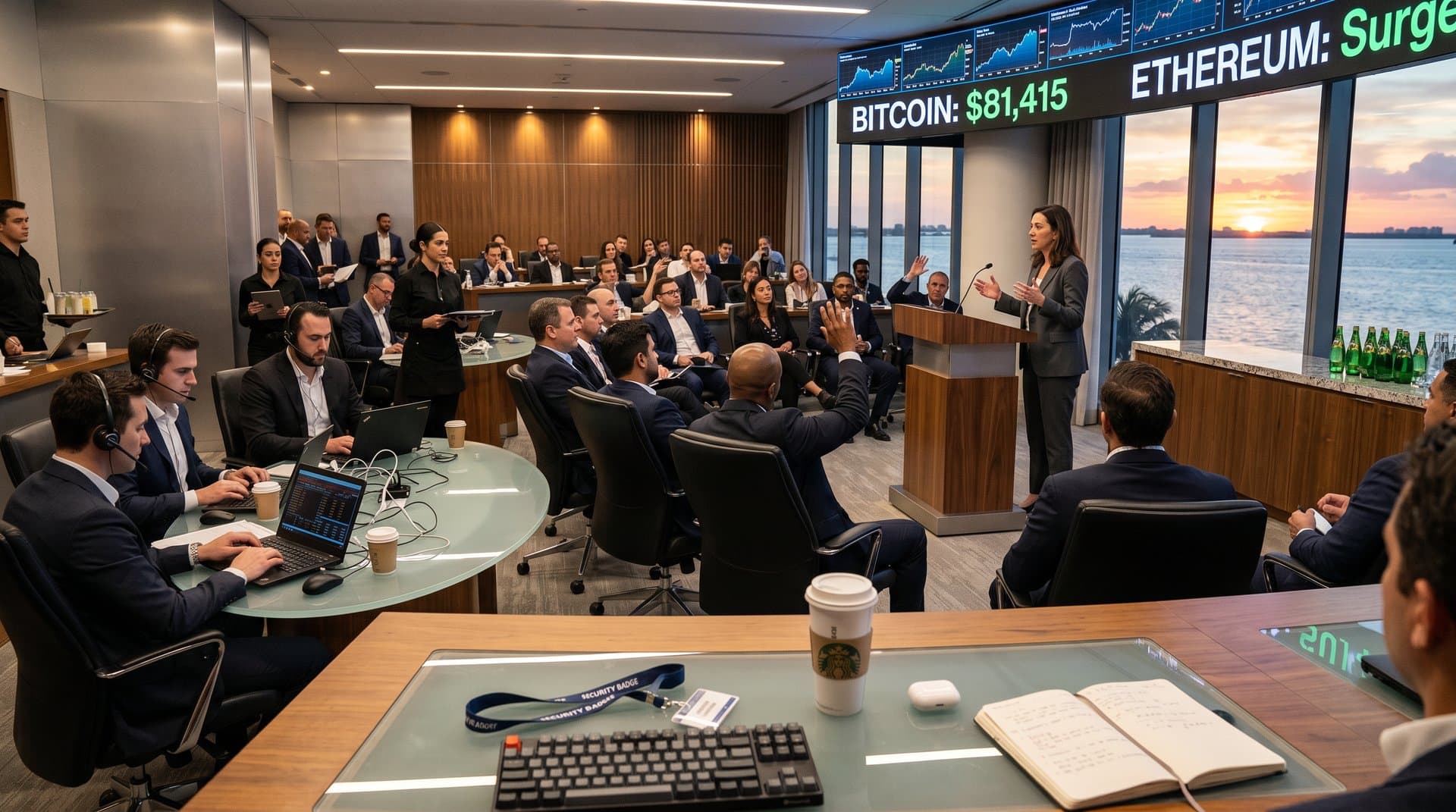
Bitcoin surged to $72,968 USD on April 10, up 2.8% (CoinMarketCap). Flashy ads at grocery checkouts hawk instant wealth. Seniors, fixed on pensions, chase these gains amid relentless hype.
The Consumer Financial Protection Bureau reports 15% growth in kiosk scams this year. Seniors comprise 40% of victims, lured by tales of neighbors cashing in big. One Florida widow told AARP: "Everyone talked Bitcoin. I didn't want to miss out."
Kiosks cluster in familiar spots—Walmarts, gas stations, pharmacies—where trust runs deep. High fees, up to 20%, vanish unnoticed in the rush.
Kiosks' AI Fails to Shield Vulnerable Seniors
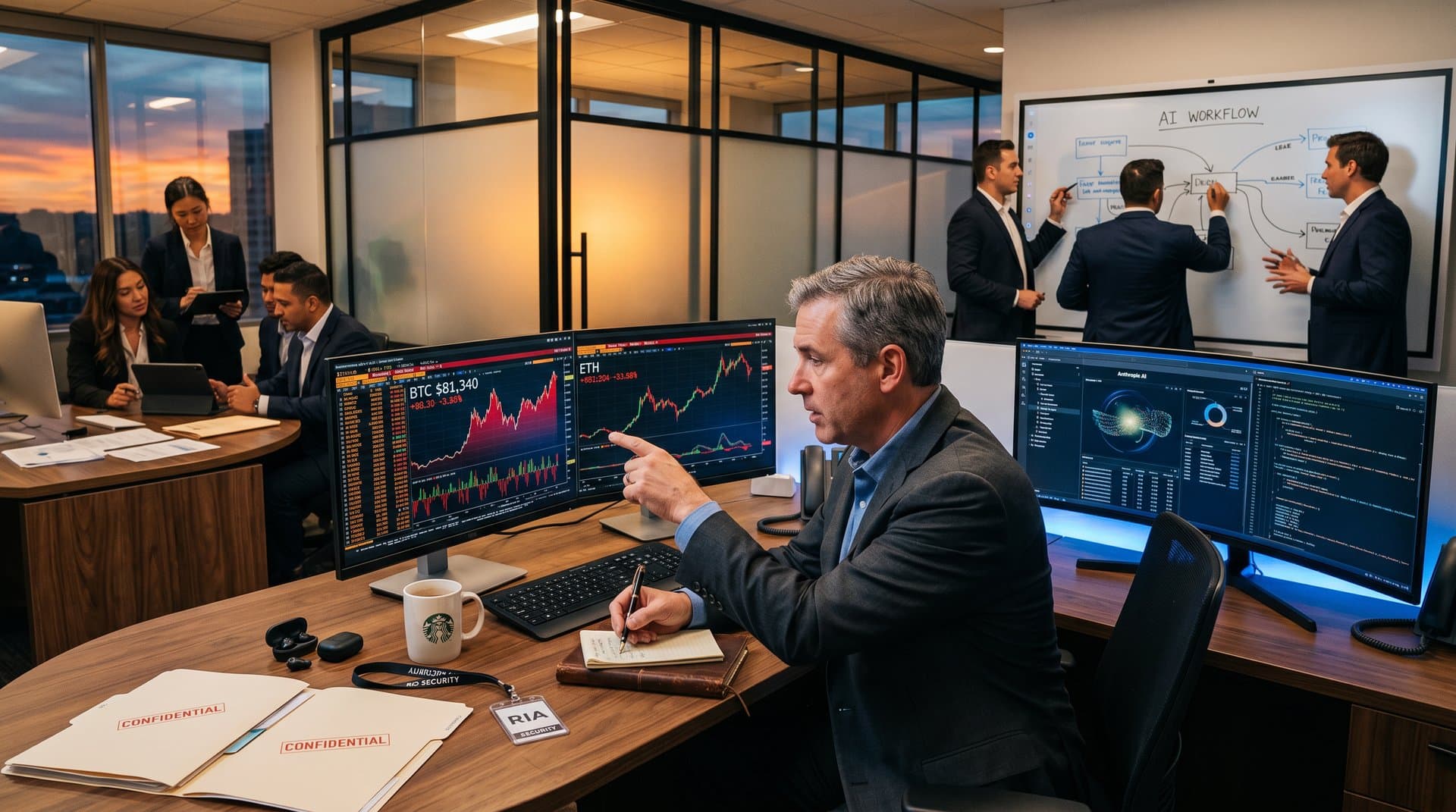
Kiosks use machine learning to scan QR codes and IDs. But trembling hands and fading eyesight defeat the tech. Operators rush transactions, prioritizing volume over caution.
A 2026 MIT study tested 500 kiosks. AI missed 30% of fake wallets. Coinstar models predict user intent yet ignore social engineering attacks from bystanders.
AARP advocates facial recognition, voice biometrics, and slowdown prompts for seniors. "Tech must adapt to people, not the reverse," says AARP tech policy director Sarah Klein.
In one unreported case, a 75-year-old in Ohio fumbled her ID twice. The kiosk approved a $10,000 USD scam anyway.
AARP Drives Urgent Legislative Push
AARP urged Senate leaders on April 10 with targeted fixes: mandatory age verification, 24-hour transaction reversals, staff training mandates, and $100,000 USD fines per violation.
Nancy LeaMond, AARP executive vice president, stated: "Seniors deserve safe access to emerging tech without fear."
Senator Elizabeth Warren endorsed the plan. Bipartisan lawmakers cite victims like Thompson and Ramirez. Hearings loom, amplifying personal testimonies.
Families rally too. Ramirez's son launched a petition with 5,000 signatures, demanding kiosk cameras.
AI's Proven Promise in Broader Fraud Defense
Banks deploy AI detectors that block 90% of scams (Deloitte 2026). Kiosks lag in blockchain defenses, but integration could slash fraud by 50%.
Kiosk revenues hit $2 billion USD last year (Statista). Yet 65% of seniors own smartphones (Pew Research Center), opening doors for app-linked verifications.
Bitcoin Depot tests voice prompts in pilots. "We're listening," a spokesperson said. AARP prototypes AI safeguards in five cities, blending facial scans with behavioral analysis.
Crypto Kiosk Fraud Threatens Wider Adoption
Scams slashed retail crypto sales 12% in Q1 2026 (Chainalysis). Public trust erodes, stalling mainstream growth.
The SEC considers licensing rules. California mandates disclosures. Victims' stories dominate headlines, pressuring operators.
Thompson mentors others now. "Don't scan alone," she advises. Her resolve turns pain into prevention.
Safeguards Emerge as Hearings Approach
Congress schedules crypto kiosk fraud hearings on April 15, 2026. Victims like Thompson prepare testimony. Bitcoin Depot commits to AI audits.
AARP tracks every case, pushing for secure finance. Lawmakers signal action: verified kiosks, elder alerts, and federal oversight. Bitcoin's future hinges on protecting the vulnerable first.