North Korean operatives executed the Drift theft on April 9, 2026, stealing $280 million USD from Solana's Drift protocol via fake cutout companies. Recorded Future detailed the Lazarus Group scheme on April 11. Analysts traced funds to state-linked wallets.
Alex Rivera stared at his screen at 2 a.m. in his Miami apartment. His $200,000 USD in staked assets vanished from Drift's perpetuals exchange. The 34-year-old yield farmer had poured savings into high-risk trades. He planned to buy a home for his family. "Everything gone in seconds," Rivera told friends over a frantic call. Heart pounding, he refreshed the blockchain explorer. Red transaction arrows confirmed the drain.
Unraveling the Drift Theft's Spy Plot
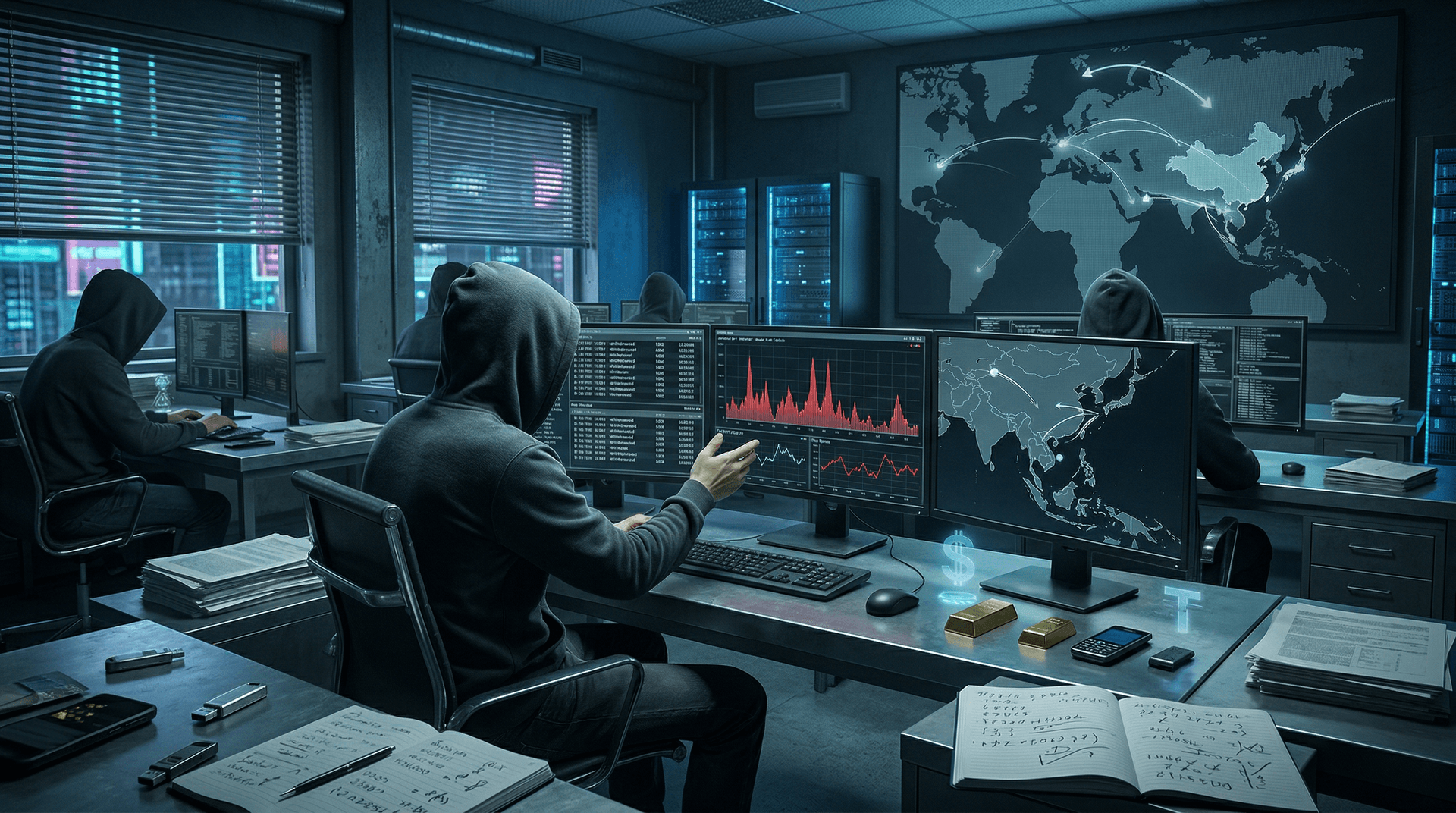
Recorded Future analysts compared the operation to a Cold War spy thriller. North Korean actors created shell firms in Singapore and Thailand. These cutouts laundered stolen crypto through mixers and bridges.
Elliptic tracked 70% of funds to Lazarus Group wallets. The U.S. Treasury sanctioned Lazarus in 2025 for crypto thefts that fund North Korea's regime.
Fake trading desks evaded KYC checks. Corrupt insiders at small exchanges approved them. Apex Trade Ltd., a Singapore shell, moved $45 million USD in hours. Regulators froze it on April 10, 2026.
The plot thickened with forged documents. Hackers posed as Southeast Asian traders. They targeted Drift's oracle feeds with manipulated data.
Victims Confront Devastating Losses
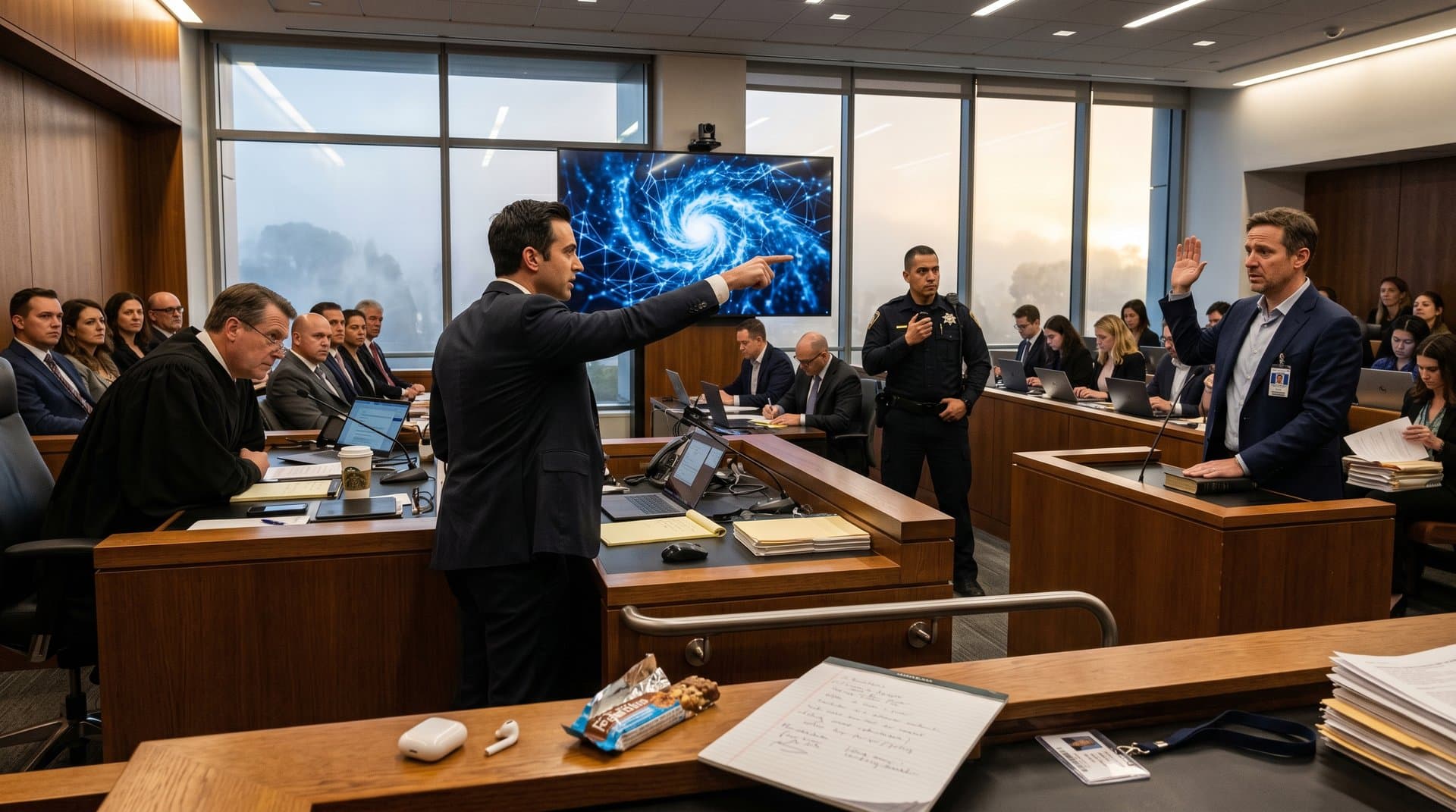
Sarah Kim, a 28-year-old Solana developer in San Francisco, lost $150,000 USD from her startup fund. She built auditing tools for DeFi protocols. "I poured my life into this ecosystem," Kim said in a tearful video. "Now I beg banks for loans to pay rent."
Drift halted trading within hours of the exploit. Panicked users withdrew $1.2 billion USD. The protocol launched bounties up to $500,000 USD for recovery leads.
Rivera rallied victims in a Discord server with 5,000 members. "We're all detectives now," he posted. Members shared transaction hashes and wallet traces late into the night.
One retiree from Texas lost his nest egg. "I trusted the code," he wrote. "Now I eat ramen again."
The Tech Flaw Attackers Exploited
Hackers struck a vulnerability in Drift's oracle feeds. They injected false price data. This triggered mass liquidations across high-risk positions.
Solana's explorer logged 2,500 suspicious transactions in 20 minutes. PeckShield auditors flagged the bug first at 1:47 a.m. Drift deployed a patch by 4 a.m.
Chainalysis reports North Korea stole $1.3 billion USD in crypto since 2023. DeFi's $100 billion USD total value locked draws state hackers.
Cutouts converted tokens to USDT through over-the-counter desks. They avoided major exchanges with strict monitoring.
Human Hands in the Drift Theft
Thai police raided Li Wei's cramped Bangkok apartment on April 9, 2026. The 32-year-old local found laptops loaded with wallet seeds and mixing scripts. Wei earned 5% commissions recruiting mules via Telegram.
"It paid the rent during tough times," an anonymous colleague told Reuters. North Korea trains Lazarus hackers at Kim Il Sung University. Defectors describe 18-hour shifts coding exploits.
FBI Director Christopher Wray tied the Drift theft to missile programs on April 11, 2026. "Crypto funds 50% of Pyongyang's weapons tests," Wray stated at a Senate hearing.
Wei faced charges for money laundering. His role exposed how locals become unwitting pawns in global cybercrime.
Recovery Efforts and Market Fallout
Drift raised $15 million USD from Multicoin Capital to bolster security. Nexus Mutual approved $50 million USD in insurance claims. Payouts start next week.
Binance and other exchanges delisted risky addresses. They ramped up KYC with AI biometric scans.
The Crypto Fear & Greed Index dropped to 15, its lowest since 2022. Solana's price fell 12% in 24 hours.
Victims like Rivera eye class-action suits. "We demand accountability," he says.
Lessons from the Drift Theft's Human Frailties
Mandiant uncovered Lazarus phishing developers with fake venture capital emails. Protocols need redundant oracles like Chainlink. DefiLlama data shows only 40% of DeFi uses them.
EU's MiCA regulations take effect in July 2026. The U.S. Senate debates sanctions on nation-state hackers.
Sarah Kim shifts to insured platforms like Aave. "Tech evolves fast. We adapt or get burned," she says.
Alex Rivera pores over on-chain data nightly. He dreams of tracing his funds.
The Drift theft unmasks DeFi's weak spots: not just code, but human greed and oversight. Cutouts like Wei chased quick cash. Victims like Rivera and Kim fight back. Blockchain's transparency offers hope. Investigators track 20% of funds in dormant wallets, ripe for seizure.