Haverhill city council banned all Haverhill crypto ATMs on April 10, 2026. Scammers stole $20,000 USD from users via tampered machines. Nurse Maria Gonzalez lost $8,000 USD in seconds, her story laying bare the brutal risks of unchecked fintech.
The 42-year-old nurse pulls double shifts at Haverhill General Hospital, her scrubs still carrying the scent of antiseptic after 12-hour days. Inflation gnawed at her savings. Bitcoin hovered at $72,219 USD on CoinMarketCap that day, a siren call as a hedge against soaring grocery bills and rent.
Maria Gonzalez's Fateful ATM Visit
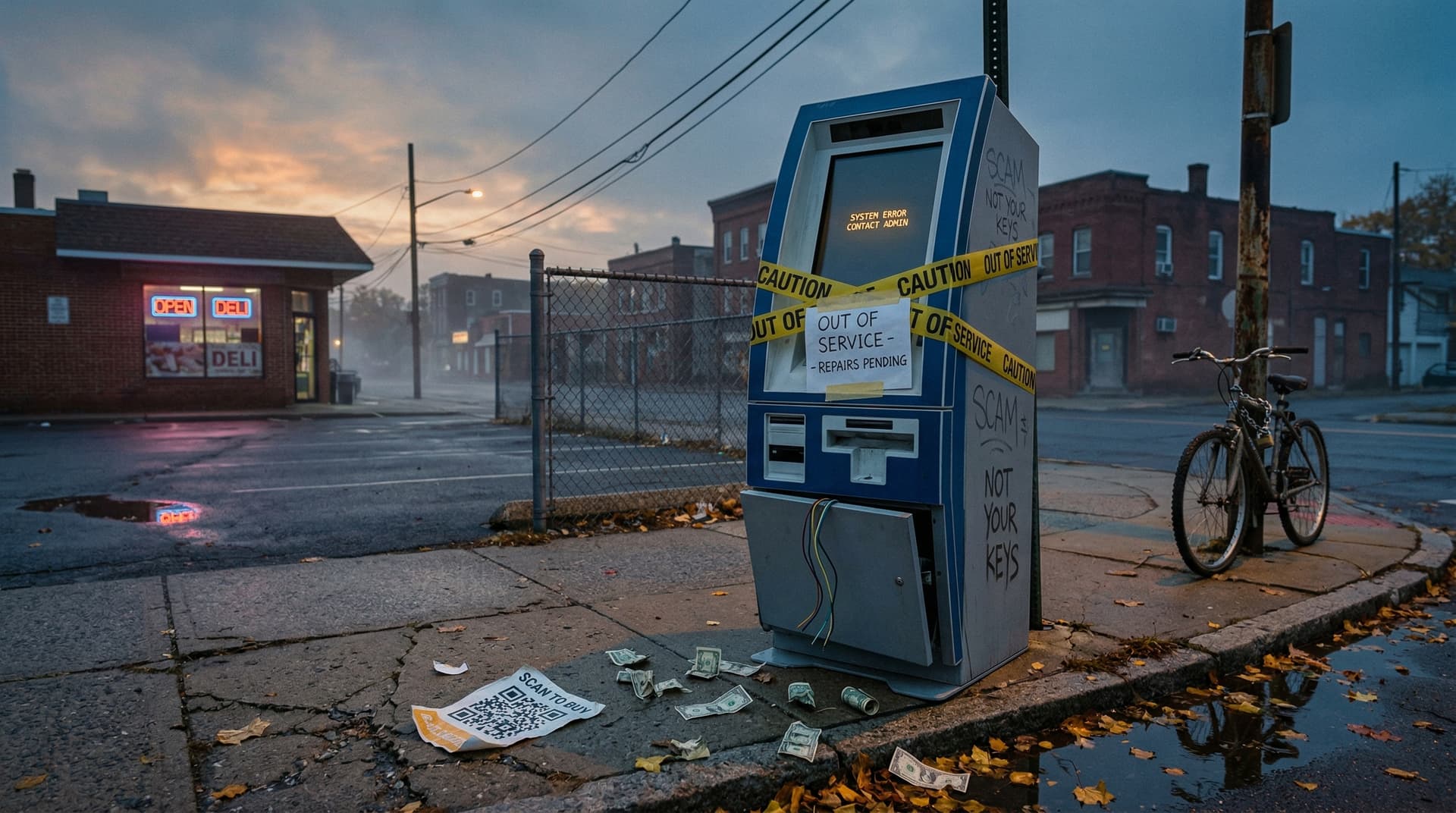
Maria scrimped $10,000 USD over two years, fueled by online forums and tales from friends in nearby Lawrence. On April 8, 2026, she eyed the Bitcoin Depot ATM on Merrimack Street. Harsh fluorescent lights buzzed overhead, casting stark shadows on the machine's scratched screen, promising instant crypto for cash.
Her heart thumped as she thumbed through crisp $100 bills from her glove compartment—her nest egg for her daughter's college. She fed them into the slot, fingers trembling slightly. The screen flashed "transaction complete." Silence. Her digital wallet remained barren.
Fraudsters had peeled off the legitimate QR code and slapped on a fake. Victims scanned it, dispatching funds to thieves' wallets etched forever on the blockchain.
Scammers Exploit Lax Controls
Haverhill Police logged five cases since March 2026, totaling $20,000 USD in losses. Most machines demanded no ID. Operators pocketed fees per trade, as detailed in a 2025 Federal Reserve study.
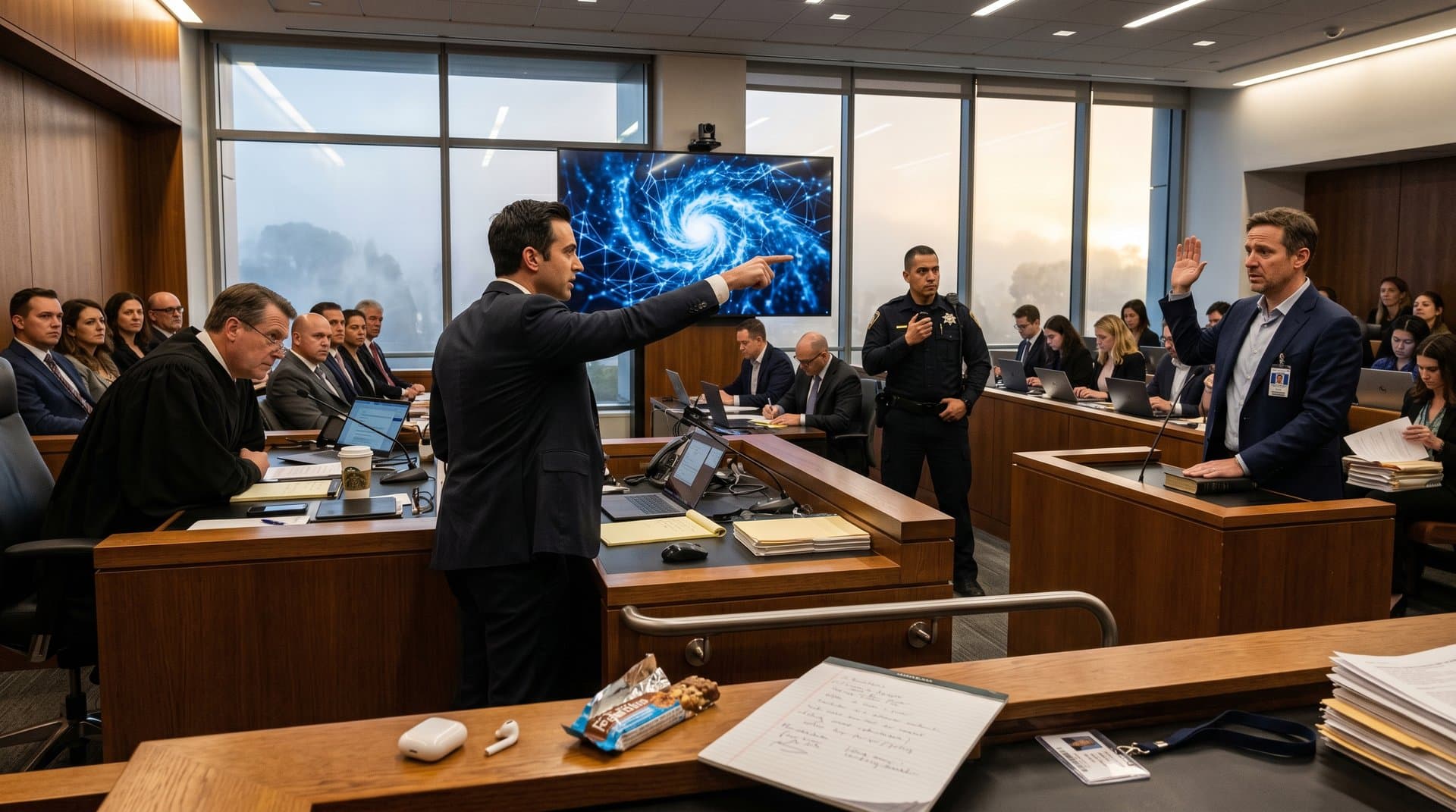
"These ATMs prey on vulnerable people like Maria," Councilor Ana Devlin declared on April 9. Voters backed her ban unanimously the next day. The 12 machines face shutdown by April 17.
Police Chief Arnold White tied it to national surges. The FBI reported $5.6 billion USD in crypto fraud for 2025.
Maria Discovers the Theft
Hours later, back in her dim kitchen, Maria fired up her phone app. Blockchain explorers revealed her funds funneled to an anonymous wallet. Panic surged; she bolted to the police station, clutching printouts.
Officers shook their heads—nothing recoverable. Banks rejected refunds for crypto's irreversible trails. "I trusted that machine with everything," Gonzalez told reporters, her voice fracturing. Her family now stares down mounting bills without that safety net.
She joined a national victim support group, where she dispenses hard-won tips: scrutinize screens for tampering, double-check QR codes before scanning.
Haverhill Crypto ATMs Highlight Fintech Flaws
Crypto ATMs exploded to 38,000 nationwide by April 10, 2026, per Coin ATM Radar. Fees hit 10-20% per trade. QR swaps drain millions annually; blockchain permanence seals the theft.
The U.S. Treasury slapped $60 million USD in fines on operators in 2025 for shoddy KYC compliance. Haverhill's ban pioneers local pushback as regulators trail fintech's sprint.
Massachusetts Attorney General kicked off statewide probes. The Consumer Financial Protection Bureau noted 15,000 complaints and $300 million USD in Q1 2026 losses.
Lessons from a Nurse's Loss
Financial advisors shun unverified ATMs. Platforms like Coinbase mandate ID verification from the start. Local banks roll out compliant Bitcoin services.
Maria now audits her finances obsessively, retreating to traditional savings accounts. Crypto dangles riches, but scams wield the real blade. Haverhill's ban shields residents from these pitfalls. Nationwide regulators must catch up to fortify fintech's wild frontier before more everyday heroes like Maria crumble.