Iran's crypto toll proposal demands Bitcoin payments from oil tankers transiting the Strait of Hormuz. Officials unveiled it April 10, 2026, per Financial Times and CoinDesk. They enforce collections through AI smart contracts.
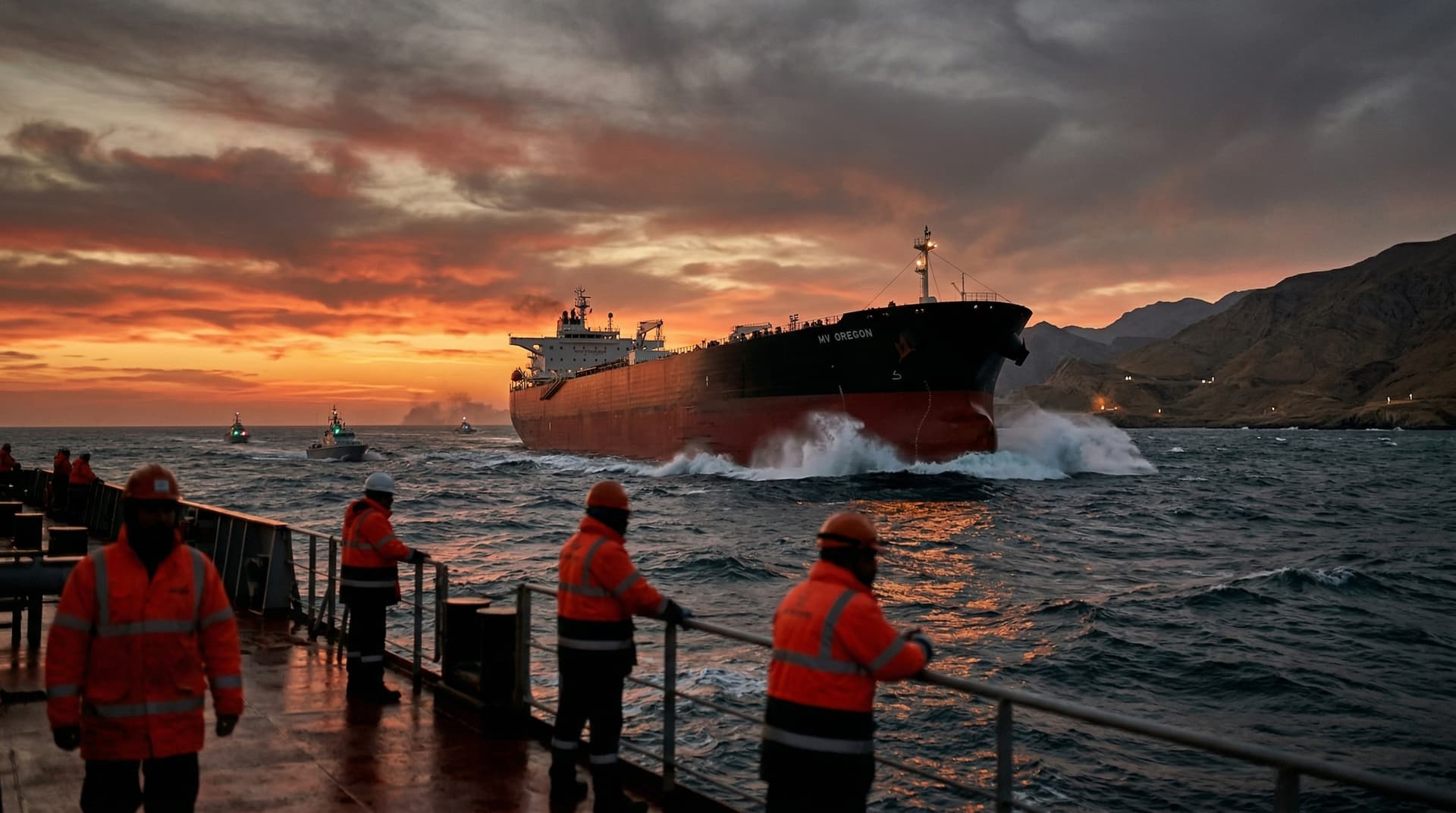
Captain Raj Patel gripped the tanker bridge rail as Iranian speedboats circled his ship last month. His 300,000-barrel VLCC, MV Ocean Pride, dodged threats in the Strait of Hormuz for India's Reliance Industries. The new Iran crypto toll adds digital peril to these physical dangers.
Patel calls the strait a "chokepoint of fire." Drones buzz overhead. Missiles lurk on shore. Pirates prowl at night. Crews huddle in windowless citadels during alerts. Patel's team drills weekly; one sailor lost a cousin in a 2024 drone strike, union records show.
Iran's Crypto Toll Mechanics
Iran sets the toll at $10,000 USD per supertanker transit, payable in BTC or USDT. Blockchain verifies payments instantly, sources say.
The plan evades U.S. sanctions. Tehran controls the strait's southern shore. More than 21 million barrels flow daily—20% of global supply, per U.S. Energy Information Administration.
AI algorithms track Automatic Identification System (AIS) signals. Satellites feed data to Ethereum smart contracts. Non-payers risk passage denial.
AI Enforcement in Action
Iran deploys AI from state-backed Iran Electronics Industries. Machine learning models predict tanker routes at 95% accuracy, per a 2025 Tehran University study.
Neural networks parse radar and AIS data. They detect evasion attempts. Blockchain oracles automate enforcement.
Captain Patel fears glitches. "AI sees ghosts in fog," he says from Dubai. False positives could trap ships amid patrols.
Crew Stories from the Frontline
Mate Sofia Ramirez joined Patel after Somali pirates hijacked her previous vessel in 2023. She scans horizons for skiffs while Iran's crypto toll requires wallets on every bridge console.
Crews drill crypto apps. Ramirez fumbles private keys. Engineer Ali Hassan runs onboard servers; hackers target crypto loads. Iran's cyber units probed tankers last year, Recorded Future reports.
Speedboats fired flares 500 meters off one night. The crew sheltered six hours. Hassan prayed as engines idled.
Market Reactions to the Toll
Bitcoin surged 2.5% to $72,512 USD (CoinMarketCap). Ethereum climbed 2.7% to $2,226 USD. Fear & Greed Index hit 16, extreme fear (Alternative.me).
Brent crude dipped 1.2% to $82.50 USD per barrel (ICE). Insurers raised Hormuz premiums 15% (Lloyd's of London). Traders fear toll delays.
Tech Reshapes Strait Risks
Blockchain ensures tamper-proof payments. AI dashboards predict threats. SeaML's ML models alert on evasions.
Patel's firm tests AI copilots for drone attack simulations. Response times fell 20%, internal logs show. Iran pairs AI with Bavar-373 radars; machine learning unmasks stealth tankers.
Crews Adapt to Crypto Demands
Patel trains rookies on crypto ledgers. "Code won't stop bullets," he warns. Blockchain curbs sanction bribes.
Ramirez eyes stablecoins for safety gear funding. Unions push AI training mandates. Hassan builds custom wallets and blocks phishing in real time. Tolls drive adaptation.
Global Supply Chain Ripples
Shippers detour around Africa's Cape. Costs rise $1 million USD per trip (Drewry Shipping Consultants). Asia pays more for oil.
'Hormuz Tokens' trading volumes spiked 300% (Dune Analytics). U.S. Navy boosts AI drone patrols.
Voices from the Bridge
"We sail hell with QR codes," Patel said. "AI watches, humans decide," Ramirez added. "Tech arms both sides," Hassan noted.
Iran promises smooth transits for payers.
Iran Crypto Toll's Lasting Impact
Tanker alliances form blockchain consortia. They negotiate rates. AI settles disputes.
Crew unions demand toll savings shares. Tech firms pursue strait deals. Iran's crypto toll fuses conflict and code. Tankers carry global fuel; humans steer through chaos as AI enforces the rules.