- Loop raises $95 million led by Battery Ventures.
- Pandemic ordeals drive 30% delay reductions via human-focused AI.
- Funding expands to rail, air, blockchain, and edge computing.
Supply chain AI startup Loop raised $95 million on October 10, 2024, according to DC Velocity. Co-founder Raj Singh raced through fog-shrouded Long Beach ports in 2021, hunting semiconductors for halted factories. Battery Ventures led the round to scale Loop's platform that forecasts chaos and shields workers.
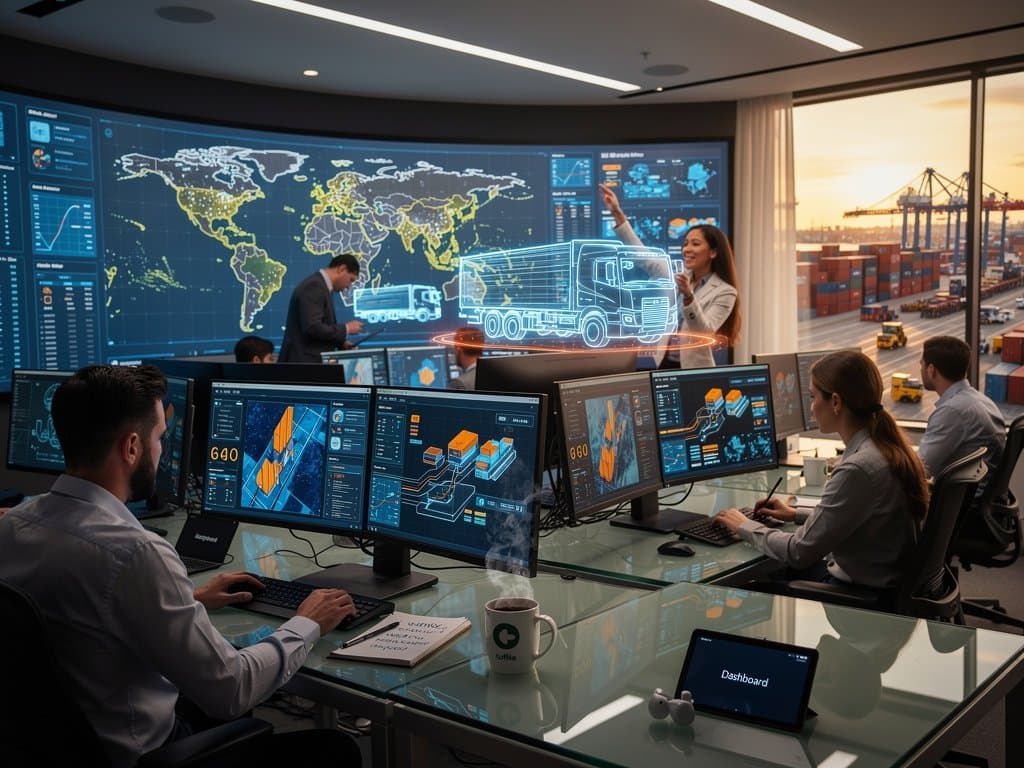
Global supply chains bleed $1.6 trillion yearly from delays, McKinsey reports. Loop ingests IoT signals from trucks and warehouses. It predicts strikes or port clogs before they strike.
Founders Forge Supply Chain AI from 2021 Nightmares
Raj Singh watched assembly lines idle as ports clogged. "Planners cracked under endless alerts," Singh told DC Velocity. That desperation birthed Loop.
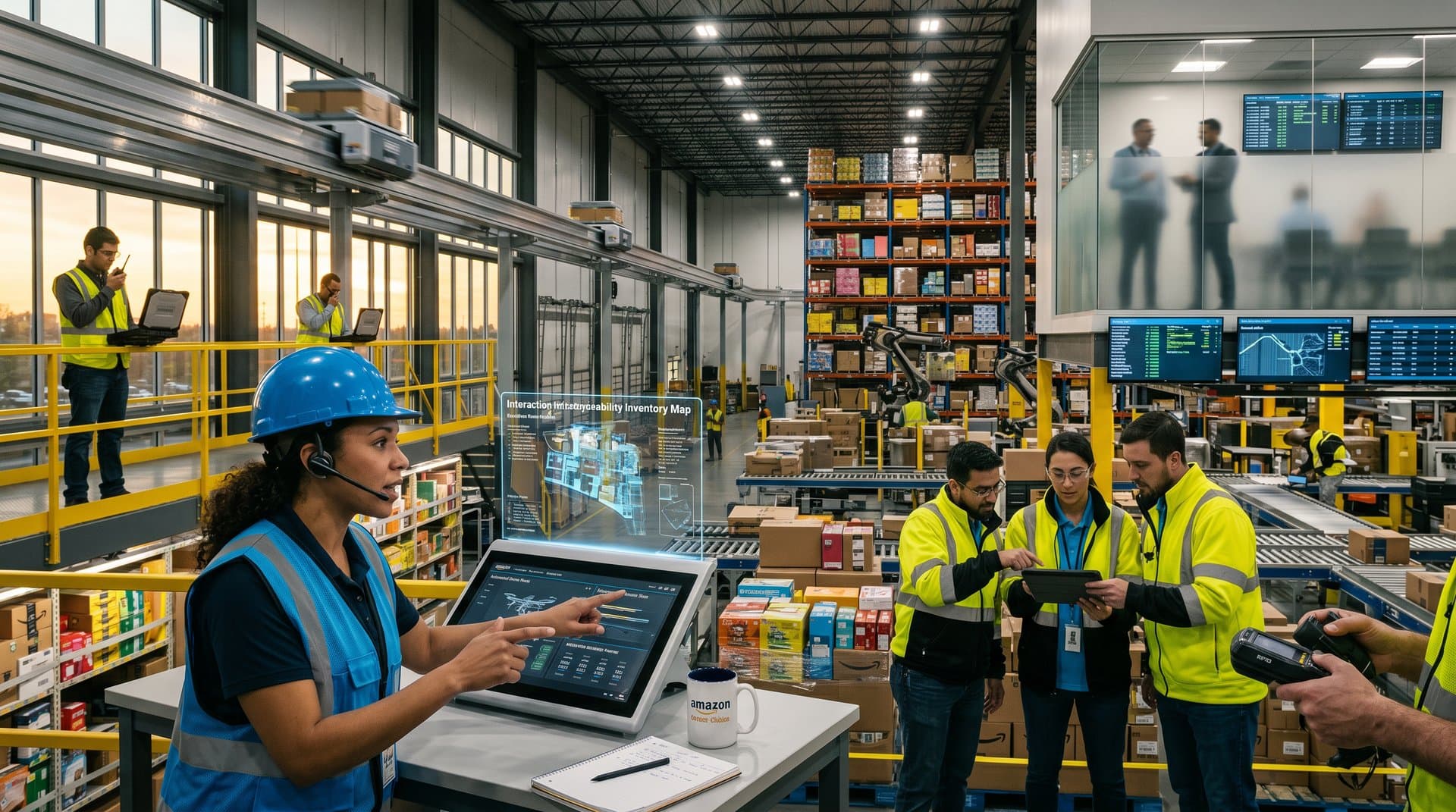
Machine learning models mimic veteran planners' instincts. Neural networks crunch telematics and sensor data. They surface alerts like a 20% delay risk from dock strikes, then trigger API reroutes to SAP systems.
Dashboards blend data with human context. Overtime warnings prevent burnout. Loop details this integration on its blog.
Battery Ventures partner Neeraj Agrawal said, "Loop bridges AI efficiency with worker reality," in their announcement.
Pandemic Scars Drive Human-Focused Supply Chain AI
Legacy AI optimized costs alone. Loop factors in people. Clients report up to 25% USD savings from smarter routes in pilots, per Loop.
Labor shortages claim 15% of warehouse staff annually, Deloitte's 2024 report states. Loop simulates Suez Canal blocks or rail strikes via natural language queries. Risk scores guide decisions instantly.
The fresh capital expands to air freight and rail networks. Blockchain bolsters traceability. PitchBook data reveals supply chain AI investments surged 40% year-over-year.
Investors Champion Loop Amid Logistics Resurgence
Enterprises cut delays by 30% using Loop, based on client benchmarks. Flexport competes in freight, yet Loop's founder stories resonate. Driver fatigue alerts draw from authentic road hauls.
Supply chain leaders fuse robots with human crews. AI proposes shifts that pair oversight with bots for 18% speed gains, Gartner analysts note.
Edge computing deploys via 5G dockside sensors for offline predictions. Loop's tools align with EU GDPR and upcoming MiCA rules in 2026.
$95M Powers Supply Chain AI Resilience Era
Dawn demos replay founders' gritty hauls. Clients nod in recognition; they lived the pain. Battery Ventures' bet tests if AI heals pandemic wounds.
McKinsey identifies a $9 trillion opportunity in supply chain digitization by 2030. Loop targets multimodal dominance. Triumph promises global flows where technology elevates workers.
Frequently Asked Questions
What is Loop supply chain AI?
Loop's supply chain AI predicts disruptions using machine learning on IoT and ERP data. It delivers human-focused alerts, backed by $95 million funding.
How does supply chain AI address pandemic issues?
It simulates shortages from strikes or ports, prioritizing worker fatigue and overtime. Founders' 2021 experiences shape these empathetic tools.
Why invest $95 million in Loop now?
Ongoing labor shortages and delays demand it. Funding scales multimodal AI amid 40% sector growth (PitchBook).
What funding rounds preceded Loop's $95 million?
Prior rounds honed ocean freight models. New capital targets air, rail, blockchain, and edge computing for real-time decisions.