- Minnesota House passes cryptocurrency ATM ban on 78-52 vote after 12 victim testimonies.
- State's 250 kiosks face 2027 shutdown amid $50M in scam-linked volume.
- U.S. totals 38,000 ATMs; ban signals shift to regulated exchanges like Coinbase.
The Minnesota House passed a cryptocurrency ATM ban on April 9, 2025, by a 78-52 vote. Victims like retiree Mary Thompson, who lost $45,000, swayed lawmakers. In a tense St. Paul hearing room, she gripped the microphone, her voice cracking.
Lawmakers heard 12 victim testimonies beforehand. CBS News Minnesota reporter Adam Delmont covered the session here. Families described irreversible blockchain losses at gas station kiosks.
Heartland Victims Fuel Minnesota Cryptocurrency ATM Ban
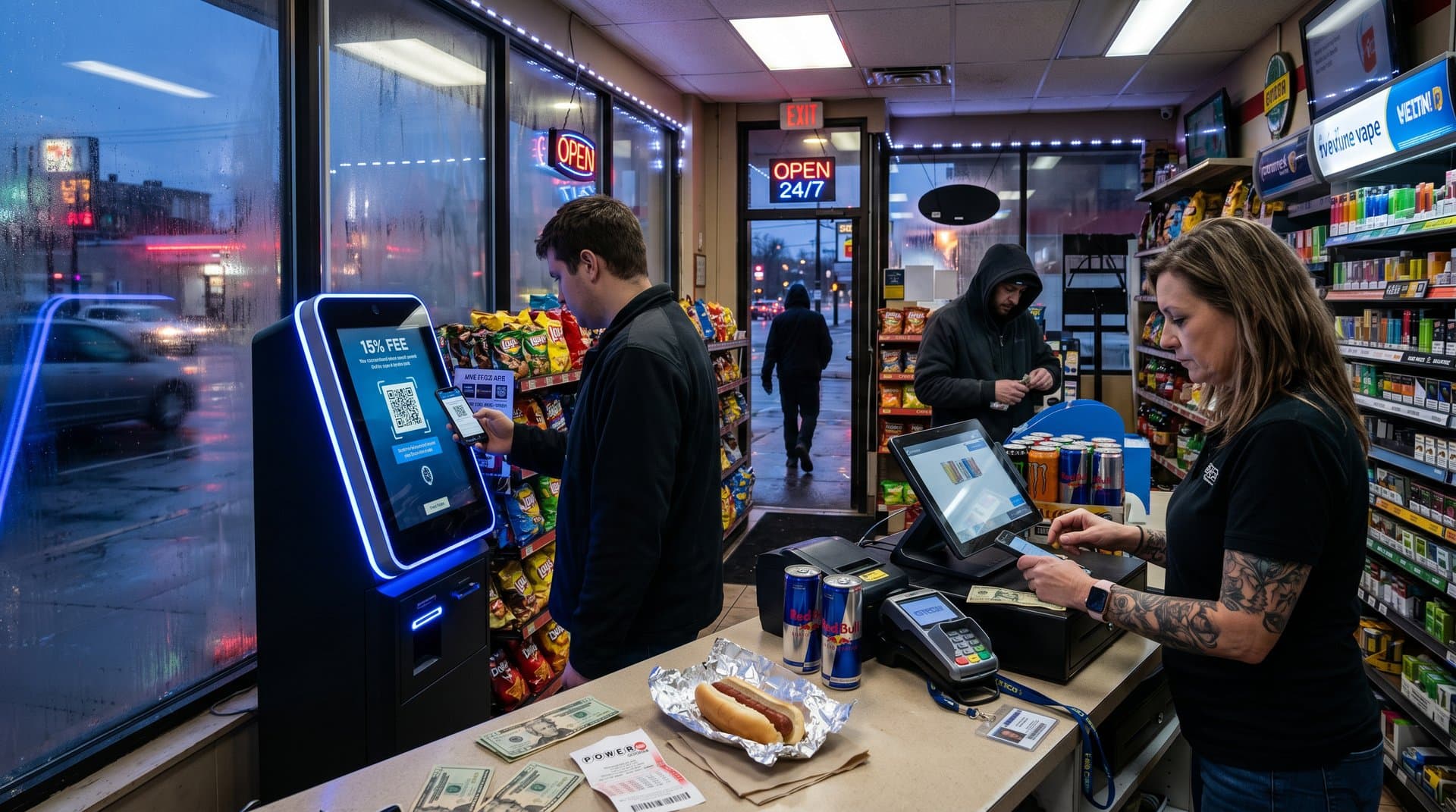
Mary Thompson, 68, scanned a QR code at a Minneapolis convenience store. She followed a social media investment tip. Her cash vanished into a scammer's Bitcoin wallet within minutes. Thompson testified: "I trusted the machine like a bank teller. Now my nest egg is gone."
Other stories poured in. Single mom Lisa Chen lost her twins' college funds. She shared her panic: "I thought it was FDIC-insured." Immigrant worker Raj Patel drained $20,000 for his family's move. Rep. Athena Hollins, D-St. Paul and bill sponsor, said, "These kiosks prey on trust in our communities," per CBS News transcripts.
These kiosks swap cash for crypto via QR scans. They skip bank checks. Fees average 15%, per Coin ATM Radar. Blockchain's finality blocks chargebacks, heightening fraud. Minnesota's 250 machines handled $50 million last year, per Coin ATM Radar.
Operators like Bitcoin Depot push back. CEO Guy Young stated in a press release: "KYC upgrades are coming." Victims' pleas prevailed. The bill requires shutdowns by 2027 if signed by Gov. Tim Walz.
How Scammers Exploit Minnesotans at Crypto ATMs
Fraudsters pose as advisors on social media. They send victims to spots like Holiday stations. Users insert bills and send to fake wallets. Blockchain explorers like Blockchain.com confirm transfers instantly.
Heartland vulnerabilities emerge. Busy parents overlook fine print. Elders trust pitches. Chen told lawmakers: "The kiosk glowed like a promise. I never saw the fees." The bill moves trades to KYC-compliant exchanges like Coinbase.
The U.S. has 38,000 crypto ATMs, per Coin ATM Radar's map here. Minnesota ranks high per capita. This prompted action. The Federal Trade Commission tallied $1.6 billion in U.S. crypto scam complaints last year.
- Asset: BTC · Price (USD): 76,147 · 24h Change: -0.8%
- Asset: ETH · Price (USD): 2,293.42 · 24h Change: +0.3%
- Asset: XRP · Price (USD): 1.38 · 24h Change: -1.0%
- Asset: BNB · Price (USD): 623.32 · 24h Change: +0.1%
Prices from CoinMarketCap on April 9, 2025. Bitcoin holds at $76,147 amid regulatory news. The Fear & Greed Index sits at 33, per Alternative.me.
Minnesota Cryptocurrency ATM Ban Signals National Shift
The vote mirrors New York's fee caps and Ohio's investigations. Thompson's family humanizes crypto's wild west. After 2024 spot ETFs, institutions prefer regulated paths. BlackRock's IBIT ETF attracted $15 billion, per ETF.com.
Ethereum's proof-of-stake cuts energy but not scams. Bitcoin Depot plans ID scans, but enforcement lags. Minnesota Attorney General Keith Ellison endorsed it: "We must protect vulnerable residents from predatory tech."
The bill awaits Senate review. Approval could spark bans on 30,000 U.S. kiosks. CoinDesk tracks state trends here. Victims now lead advocacy. Their stories reshape crypto access.
The Minnesota cryptocurrency ATM ban highlights human costs. BTC tests $76,000 support. Lawmakers favor families over unchecked kiosks, paving the way for heartland precedents.
Frequently Asked Questions
What triggered the Minnesota cryptocurrency ATM ban?
The House passed the bill 78-52 after 12 victims testified to losing savings in scams. It targets kiosks lacking verification, effective 2027 if signed.
How do crypto ATM scams target Minnesota families?
Scammers lure victims to stores for QR-code buys, exploiting blockchain's no-reversal rule. Retirees and parents lost $45,000+ in named cases.
What follows the Minnesota House cryptocurrency ATM ban vote?
Senate review next; passage bans machines by 2027. Mirrors national shift post-ETFs to safer platforms.
Why hit heartland states like Minnesota hardest?
High ATM density and trust in local spots enable fraud. 250 machines processed $50M yearly, per Coin ATM Radar.