Spokane Valley council proposed a crypto ATM ban on April 10, 2026, to combat scams that cost residents thousands. Victims' harrowing stories fuel the urgent push. Police reports show a 40% rise in crypto fraud cases in 2026.
The ordinance targets machines in gas stations and convenience stores.
Retiree Linda Harper's Desperate ATM Visit
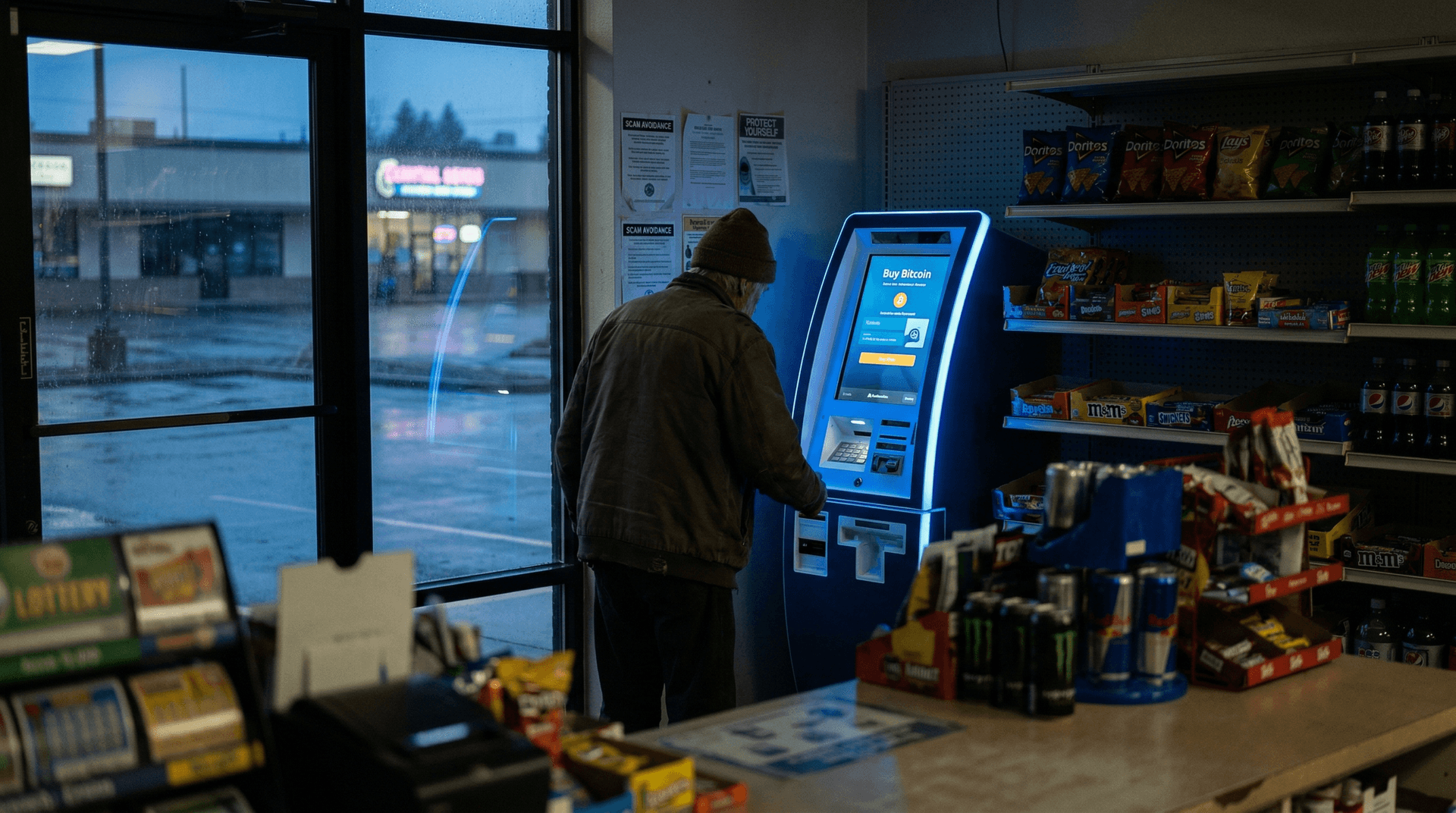
Linda Harper, 68, stood alone under harsh fluorescent lights in a Spokane Valley 7-Eleven on March 15, 2026. Scammers posing as tech support called her home that afternoon. They claimed her computer carried a virus and demanded she buy $25,000 USD in Bitcoin for repairs.
Her arthritic hands shook as she fed stacks of $100 bills into the glowing blue crypto ATM's cash slot. The screen promised swift Bitcoin delivery, but the machine skimmed 15% in fees, per General Bytes transaction logs. Harper received far less cryptocurrency than expected. The scammers vanished.
"I believed it was a safe fix," Harper told reporters. Police recovered zero funds. Her ordeal matches 12 similar cases at Spokane Valley PD since January 2026.
Why Scammers Love Crypto ATMs
Coin ATM Radar data shows Spokane Valley kiosks process over $500,000 USD monthly as of April 10, 2026. Users buy Bitcoin with cash anonymously. Most locations skip ID checks.
Fees range 12-20%, crushing bank exchange rates. On April 10, Bitcoin traded at $72,962 USD, up 1.4% per CoinMarketCap. The Crypto Fear & Greed Index hit 16, signaling extreme fear per Alternative.me.
Spokane County Sheriff Kyle Higgs blames ATMs for elder fraud spikes. His office logged 150 complaints in 2026. Victims lose $8,500 USD on average, mostly seniors.
Councilman Richard Leads the Charge
Councilman Mark Richard introduced the Spokane Valley crypto ATM ban on April 10, 2026. The plan blocks new machines and phases out existing ones by July 2026. Fines reach $1,000 USD for violators.
Store manager Raj Patel resists. "ATMs generate $500 USD in monthly commissions," he argued at the meeting. City records dispute this, highlighting scant legitimate traffic.
Public hearings start April 17, 2026. Over 200 residents petitioned support via Facebook, sharing personal scam accounts.
Veteran Tom Reilly's Ruinous Purchase
Veteran Tom Reilly, 72, fell prey on February 28, 2026. Fraudsters impersonated his grandson in distress over the phone. He raced to a crypto ATM and bought XRP at $1.35 USD per coin, per the receipt.
Eviction loomed over his modest home until family provided rescue funds. "Crypto sold gains but delivered ruin," Reilly recounted. Spokane's AARP chapter tallies 300 impacted seniors countywide.
Broader U.S. Crackdown Emerges
More than 30 U.S. cities eye similar bans in 2026. New York slapped $5 million USD in fines on operators last year for unlicensed ATMs. FinCEN enforces stricter federal guidelines.
Coin ATM Radar reports 38,000 crypto ATMs nationwide, up 20% year-over-year. The FBI's IC3 reported $3.9 billion USD in 2025 scams. 2026 figures climb higher.
Experts Back the Spokane Valley Crypto ATM Ban
Chainalysis traced $150 million USD in U.S. ATM scam flows last quarter. "ATMs bypass KYC checks," analyst Kim Johnson explained. Blockchain tracks outflows, but cash origins stay hidden.
Gonzaga professor Elena Vasquez champions bans for protection. "High fees exploit fear," she stated. Her studies show 70% of users lack crypto experience.
Spokane Valley partners with Chainalysis for transaction monitoring.
Businesses Fight Back
Crypto Enterprises CEO Lila Chen insists 80% of her five local machines see legitimate use. Council analysis flags 60% of transactions below $1,000 USD—classic scam markers.
Chen predicts a 40% revenue drop from bans. Residents demand safety first.
What's Next for the Spokane Valley Crypto ATM Ban
The council votes May 1, 2026. Enforcement launches in June if approved. Police boost scam awareness training.
Victims like Harper eye class-action lawsuits. The city rolls out crypto education programs. This ban tests whether local action shields families from cryptocurrency's human costs.