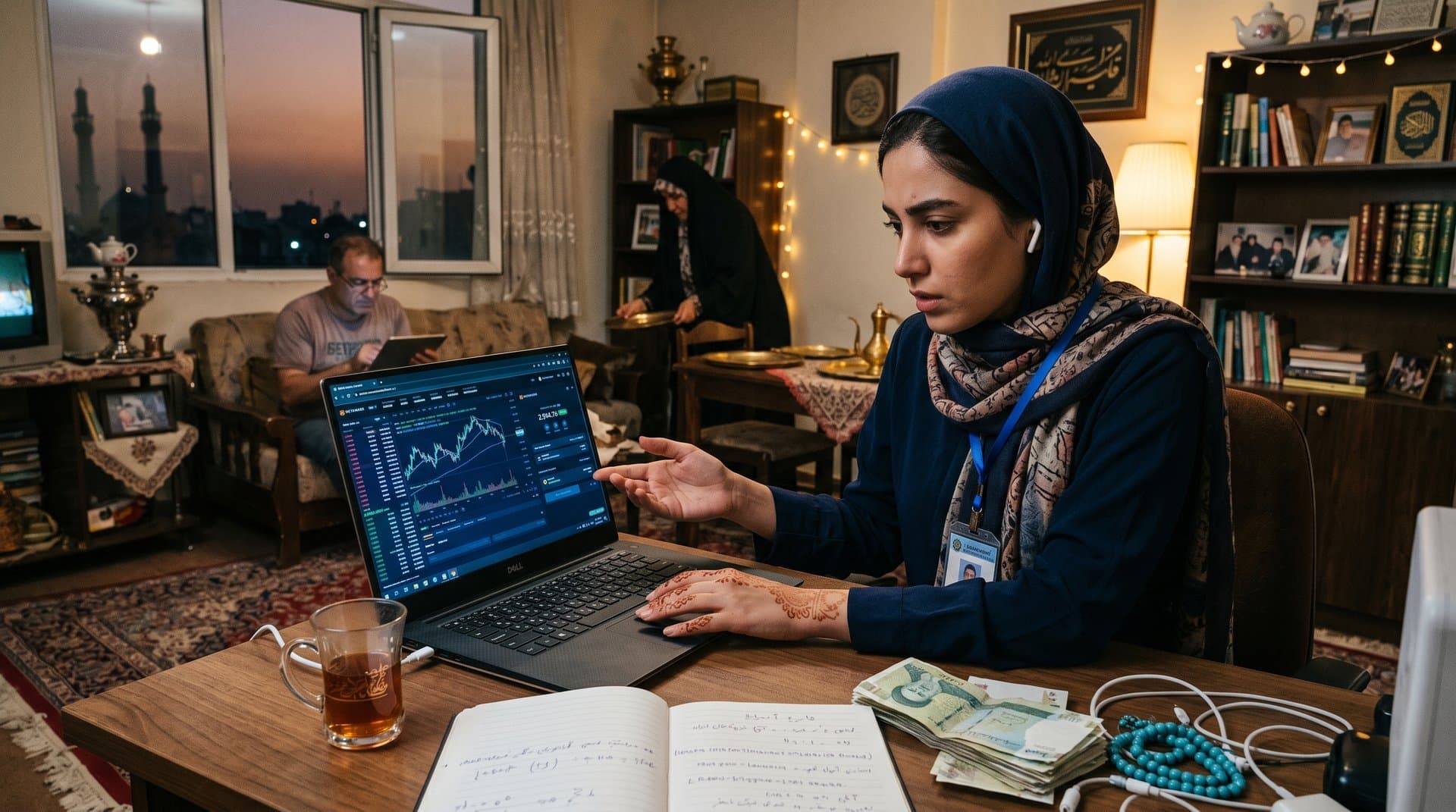
- 1. Iranian families convert rials to USDT, swap via DeFi, mix BTC to evade OFAC.
- 2. BTC at $75,780 (CoinMarketCap) and Fear & Greed 26 fuel evasion liquidity.
- 3. US lags DeFi speed; Iran mines 5% global hashrate (Cambridge Centre).
Tehran families bypass US-Iran crypto sanctions using MetaMask wallets, USDT swaps, and Bitcoin mixers to buy medicine and groceries, according to Al Jazeera on April 10, 2024. Bitcoin traded at $75,780, down 0.5% (CoinMarketCap).
In a dimly lit Tehran apartment, Fatima stares at her phone screen. She loads USDT into MetaMask, swaps it for Bitcoin, and sends funds for her child's medicine. Iran's inflation hit 43.7% in March 2024 (Central Bank of Iran), forcing such desperate measures against U.S. Treasury OFAC restrictions.
Ethereum dropped 1.3% to $2,258.64. XRP fell 1.4% to $1.36 (CoinMarketCap). Alternative.me's Fear & Greed Index registered 26, signaling extreme fear among traders.
How Families Defy US-Iran Crypto Sanctions with Blockchain
Fatima converts rials to USDT at $1 parity via peer-to-peer Telegram groups. She routes trades through Uniswap, a decentralized exchange bypassing KYC checks. Bitcoin mixers then tumble coins across addresses, obscuring paths from OFAC trackers (Al Jazeera).
Iran's Bank Markazi legalized crypto mining in 2019. Families import essentials with stablecoins, dodging SWIFT exclusions. Chainalysis software assists U.S. enforcers, but privacy coins like Monero and layer-2 networks consistently thwart detection (CoinDesk).
Bitcoin's 21 million supply cap lures Iranian savers. It serves as a hedge against relentless inflation. Al Jazeera profiles families who rely on these tactics daily.
In Isfahan, father Reza grips his device tightly. He wires remittances through privacy wallets amid 43.7% inflation (Central Bank of Iran). Groceries vanish from shelves due to sanctions, but crypto delivers.
Key Tools Powering Iran Blockchain Evasion
DeFi platforms enable anonymous swaps without intermediaries. Iranians bridge Ethereum ($2,258.64, CoinMarketCap) to faster chains like Solana. They hold BNB at $618.02 on Binance Smart Chain for stability.
Bitcoin's Lightning Network accelerates cross-border transfers. Tehran developers code local mixers and OTC Telegram bots. Coinbase delists sanctioned addresses, yet P2P markets explode underground.
Reza confirms a transaction, relief washing over him. His family eats tonight thanks to these tools. CoinDesk highlights Chainalysis tracking of such Iranian flows.
U.S. Enforcement Falters in US-Iran Crypto Sanctions Chase
OFAC blacklists crypto addresses aggressively. DeFi protocols evolve quicker, staying ahead. Bitcoin's April 2024 halving amplified its allure for sanctioned users.
Iran commands 5% of global Bitcoin hashrate (Cambridge Centre for Alternative Finance). Ethereum's 2022 Merge slashed energy use by 99% (Ethereum Foundation), empowering local miners.
Spot BTC ETFs launched in January 2024 pulled in massive inflows. Fear & Greed at 26 bolsters hodling. U.S. intelligence tracks funds, but scale overwhelms (Reuters).
Future of US-Iran Crypto Sanctions and Evasion Tactics
SEC Chair Gary Gensler pushes DeFi transparency via oracles (SEC statement, April 2024). Chainalysis partnerships sharpen tracing tools. Families pivot to Zcash for better privacy; BTC liquidity holds at $75,780.
BlackRock weaves compliance into its ETFs. Underground P2P networks persist defiantly. Blockchain erodes 1979 sanctions amid 2022 nuclear standoffs.
Isfahan traders swap XRP ($1.36, CoinMarketCap), anticipating Ethereum upgrades. Next OFAC moves will challenge Iran's crypto ingenuity. US-Iran crypto sanctions enter a high-stakes cat-and-mouse era.
Frequently Asked Questions
How do Iranian families bypass US-Iran crypto sanctions?
They convert rials to USDT via P2P apps, swap on Uniswap DeFi, and tumble BTC with mixers to hide from OFAC, per Al Jazeera.
What tools power Iran blockchain evasion?
MetaMask wallets, Lightning Network, layer-2 bridges, and privacy coins enable pseudonymous, fast transfers beyond KYC.
Why does the US lag in US-Iran crypto sanctions enforcement?
DeFi and non-custodial tools outpace regulators; Iran commands 5% global BTC hashrate (Cambridge Centre).
How do markets reflect US-Iran crypto sanctions tensions?
BTC at $75,780 (CoinMarketCap, down 0.5%); Fear & Greed at 26 (Alternative.me) signals fear amid evasion surge.