- 1. Wisconsin AB1026 requires cryptocurrency kiosks to register and disclose fees upfront.
- 2. BTC reaches $77,210 USD, up 3.4%, with Fear & Greed Index at 26.
- 3. FTC reports surging scams tied to 10-20% kiosk fee spreads.
A Wisconsin woman lost $1,000 to hidden fees at a gas station cryptocurrency kiosk. Her testimony propelled lawmakers to pass AB1026 on April 10, 2025, mandating operator registration and upfront fee disclosures, as reported by Up North News.
Bitcoin trades at $77,210 USD today, up 3.4% in 24 hours per CoinGecko. Ethereum hit $2,411 USD, up 3.8%. XRP reached $1.47 USD, up 3.1%. The Fear & Greed Index stands at 26, signaling fear that amplifies kiosk dangers for beginners.
Gas Station Heartbreak Ignites Cryptocurrency Kiosks Reform
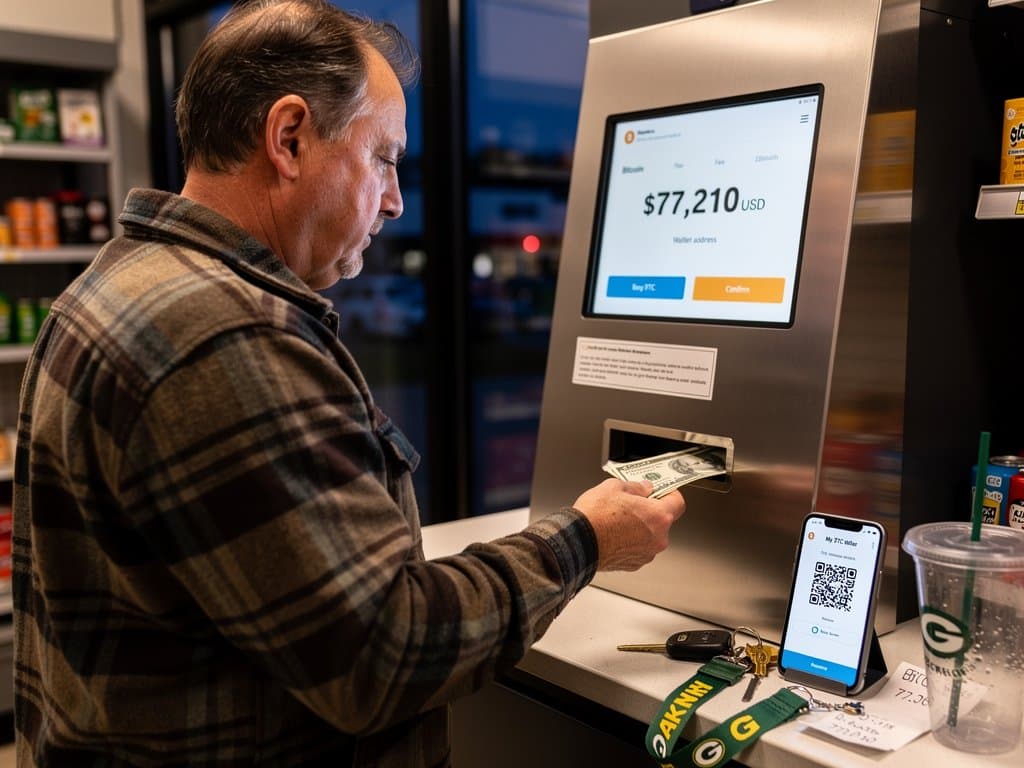
Picture her in a fluorescent-lit Wisconsin gas station at dusk. She scans her wallet QR code. $1,000 in bills disappear into the machine. Bitcoin arrives, but a 15% fee over spot price reveals itself only afterward.
These kiosks dot convenience stores nationwide, converting cash to crypto via Bitcoin or Ethereum blockchains without banks. Transfers hit wallets instantly.
Her ordeal echoed thousands. The Federal Trade Commission logs surging crypto scams, with kiosks' 10-20% spreads eroding novice investments.
She lobbied relentlessly. Retirees shared tales of vanished savings. Families described post-purchase scam calls demanding "refunds" in crypto. Lawmakers from both parties responded.
Cryptocurrency Kiosks Mechanics Mask Hidden Fees
Users pick amounts and crypto types. Machines dispatch assets peer-to-peer over blockchains. Operators run fleets independently of big exchanges.
Wisconsin's AB1026, per the Wisconsin Legislature, demands registration and transparent fees to fight scams.
- Asset: BTC · Price (USD): 77,210 · 24h Change: +3.4%
- Asset: ETH · Price (USD): 2,411 · 24h Change: +3.8%
- Asset: USDT · Price (USD): 1.00 · 24h Change: 0.0%
- Asset: XRP · Price (USD): 1.47 · 24h Change: +3.1%
- Asset: BNB · Price (USD): 647 · 24h Change: +2.9%
CoinGecko data underscores market strength despite retail pitfalls.
No-ID Privacy Draws Scammers to Cryptocurrency Kiosks
Lack of ID verification lures privacy fans and fraudsters. Buyers face calls: "Send your crypto back for a full refund."
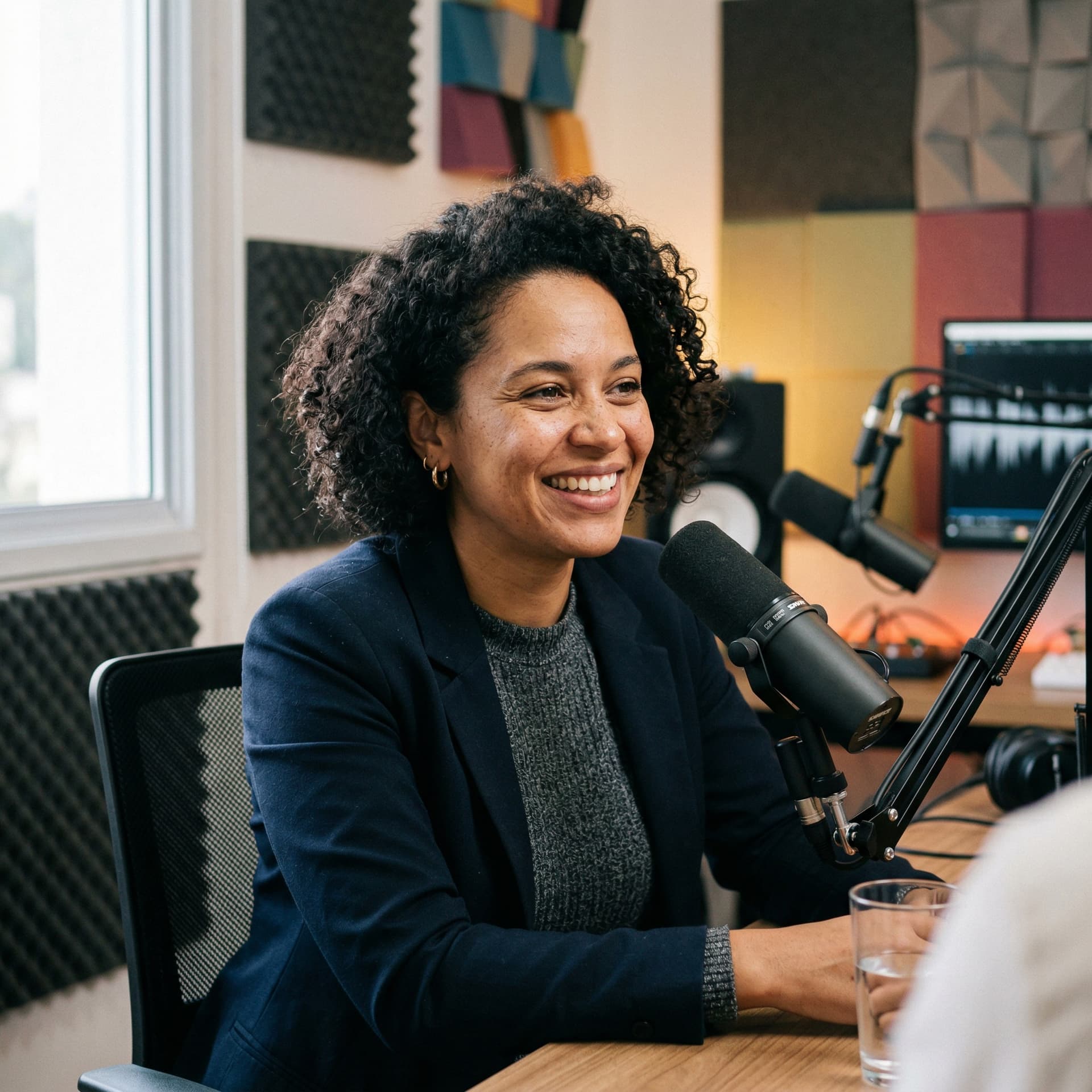
She testified fiercely at statehouse hearings, her voice cracking with anger. Retirees nodded in shared pain. Her story humanized the tech's toll.
Kiosks tack premiums atop BTC's $77,210 USD spot. DeFi platforms provide the transparency these machines withhold.
Machine learning now flags fraud in real time. New rules push kiosks toward AI compliance.
Her Victory Ripples Across States for Cryptocurrency Kiosks
Operators must register in Wisconsin or leave. Users now spot fees before committing.
Fear & Greed at 26 tempers impulsive buys. Her push inspires bills in neighboring states.
Blockchain enables secure finance shifts. BlackRock's spot Bitcoin ETFs, launched January 2024, pull in institutions, contrasting kiosk chaos.
Safeguards Evolve to Tame Cryptocurrency Kiosks Risks
Small-town protections expand. Fees persist, but transparency empowers choices.
BTC steadies at $77,210 USD, hinting at mainstream adoption. AI-driven KYC and alerts sharpen access.
One woman's resolve exposed crypto's human stakes. More states follow. Federal rules may soon standardize cryptocurrency kiosks nationwide.
Frequently Asked Questions
What does Wisconsin's cryptocurrency kiosks law require?
AB1026 demands operator registration and upfront fee disclosures to protect users from hidden charges.
Why are cryptocurrency kiosks prone to scams?
High 10-20% spreads over spot prices like BTC's $77,210 USD and post-buy fraud calls target novices, per FTC.
How do cryptocurrency kiosks connect to blockchain?
Kiosks dispatch crypto to user wallets via Bitcoin or Ethereum blockchains for instant transfers.
What does Fear & Greed Index 26 mean for crypto?
It indicates fear, discouraging retail kiosk buys while BTC stays strong at $77,210 USD.